Use the scale correctly
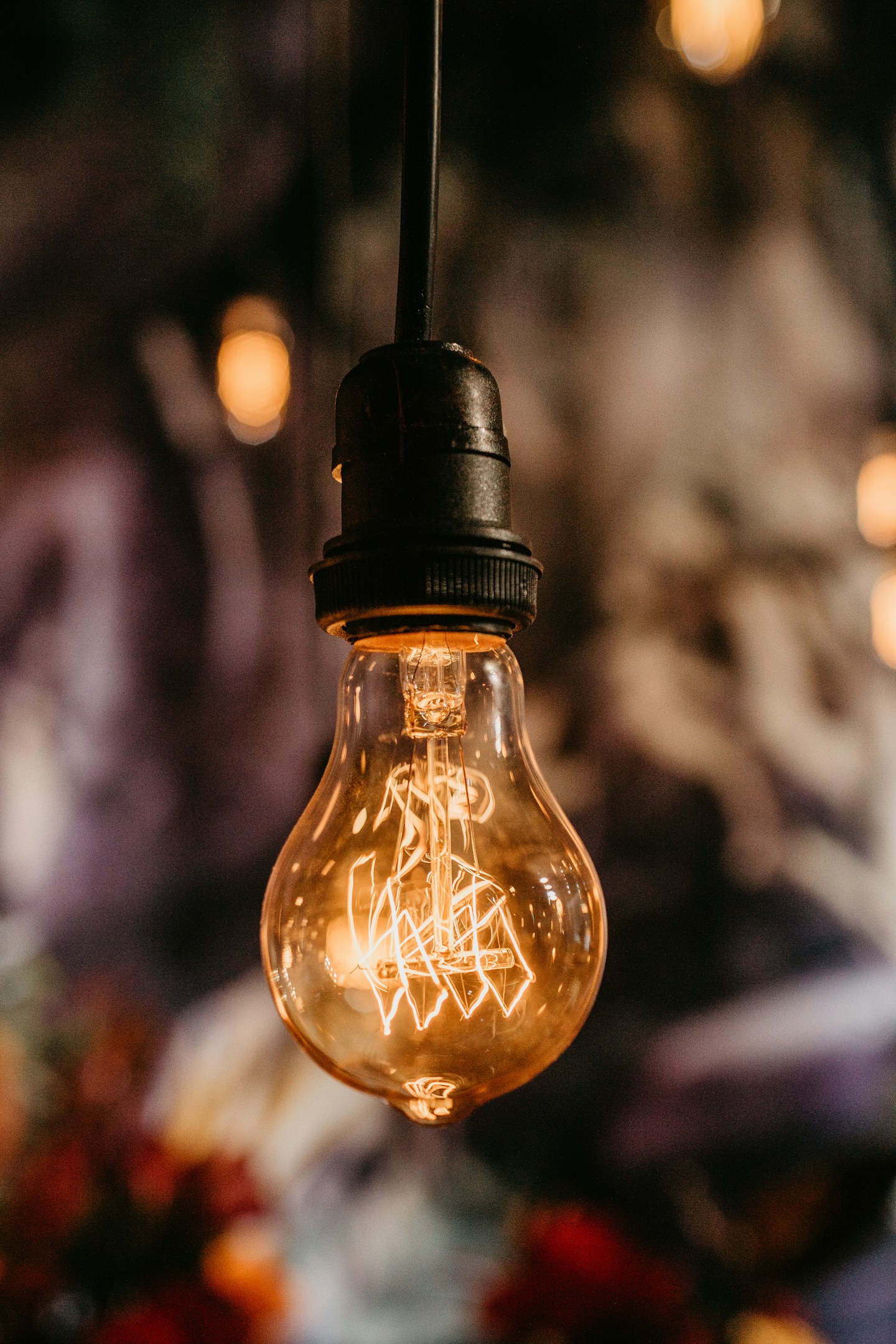
Kelvin describes the appearance of white light, not how much light a bulb produces. Lower values look warmer and higher values cooler. Compare products at similar brightness, otherwise a bright cool bulb and a dim warm bulb tell you two different stories at once.
Look at familiar materials
Place a white sheet of paper, a cushion and a piece of wood under the light. Judge whether the room feels comfortable from your usual seat. The colour of walls and fabrics affects the impression, so a shop display is not a substitute for seeing the bulb at home.
Avoid an accidental patchwork
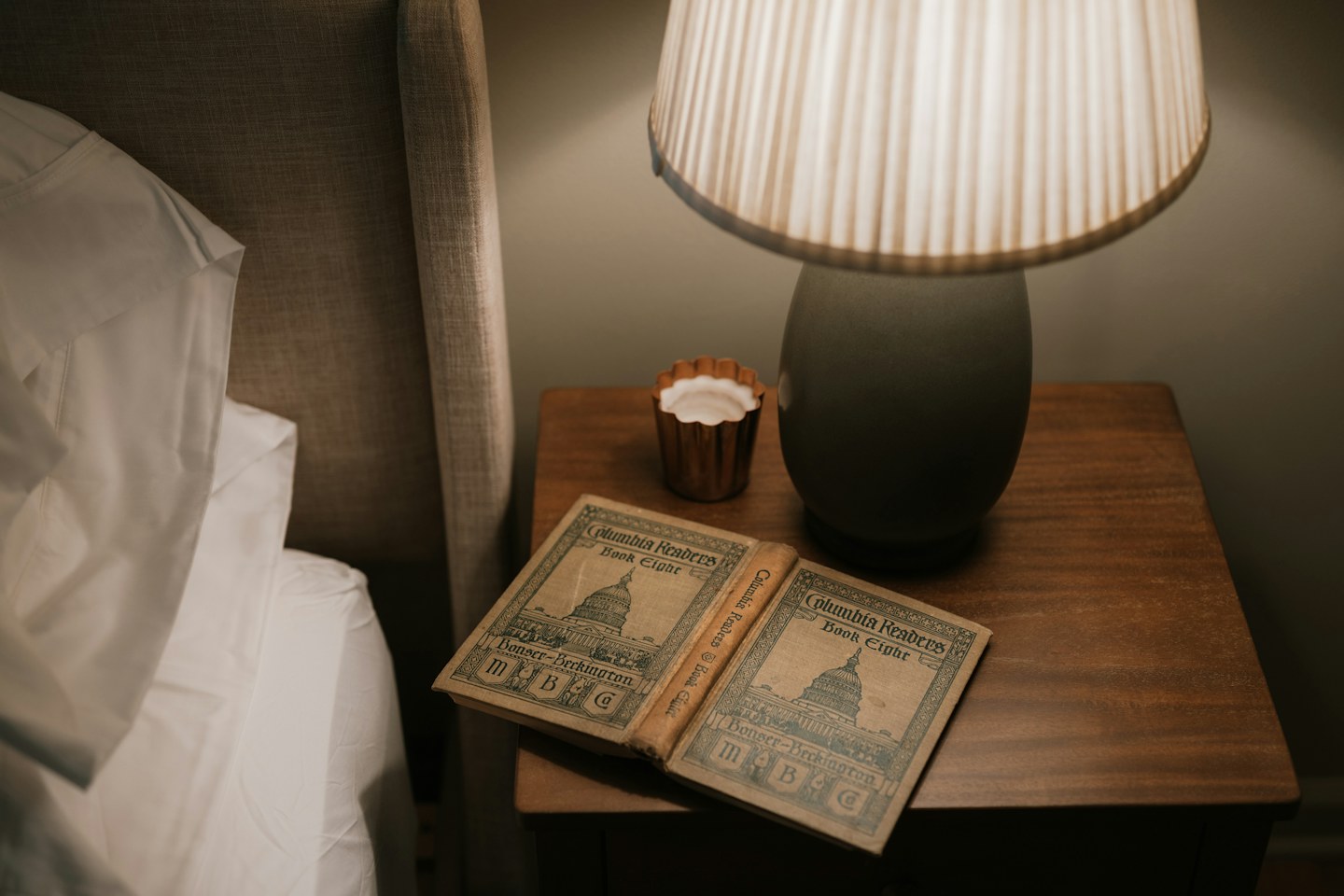
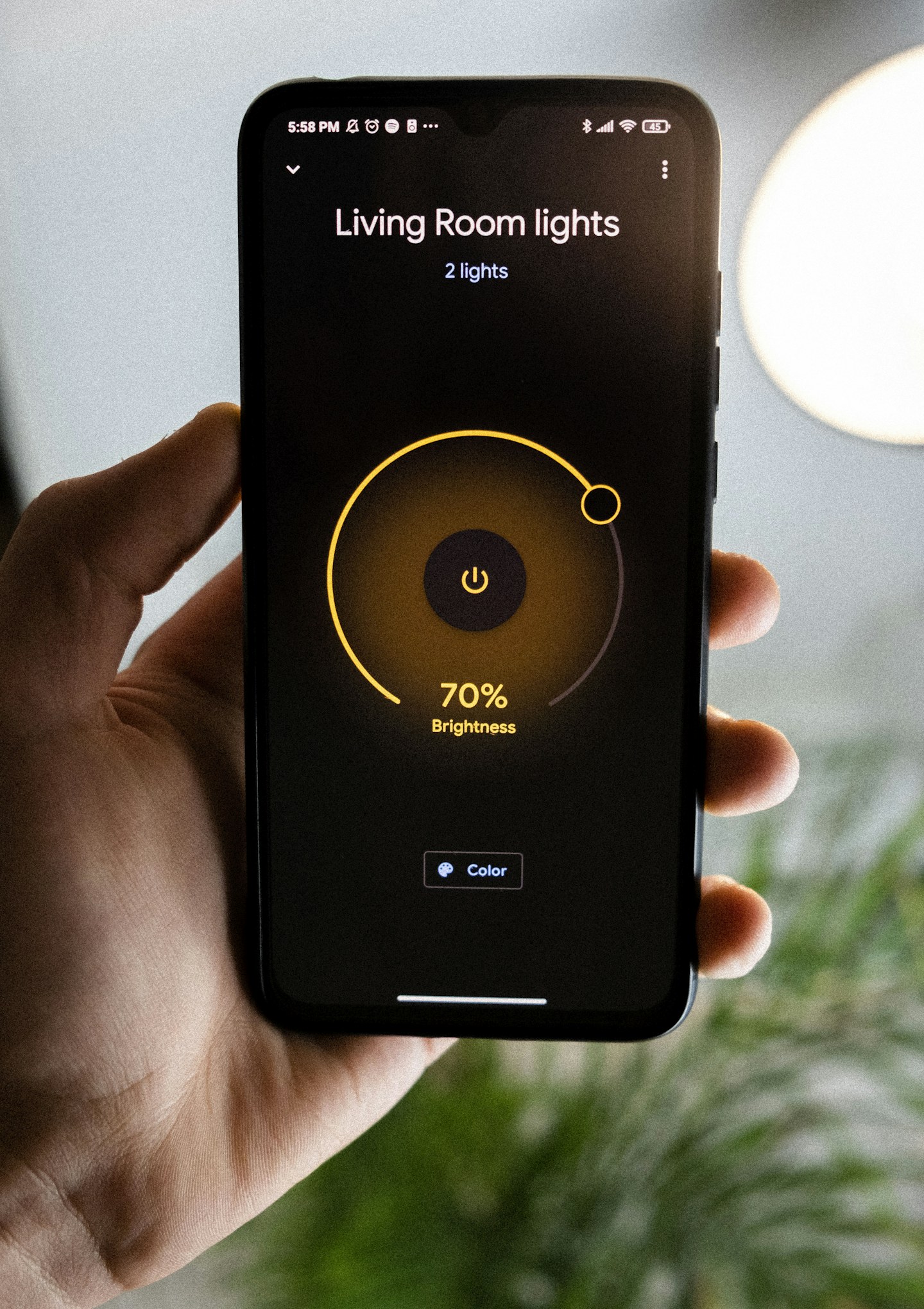
Two nearby lamps with noticeably different white tones can make a room feel unsettled. Matching the general tone may be more useful than matching the brand. Adjustable-white lamps provide flexibility, but check whether the physical controls let you reach the settings you actually want.